
What constitutes a full course of study

In times of uncertainty, it’s crucial to rely on accurate information to avoid unnecessary stress and health issues. Misinformation can lead to anxiety and panic among F-1 students concerned about their visa status. If you’re maintaining a full course of study and adhering to F-1 regulations, there’s no need for alarm. Remember, each student’s situation is unique, avoid comparing yourself to others.

What constitutes a full course of study?


• Undergraduate students: Typically, a minimum of 12 credit hours per semester.

• Graduate students: Generally, at least 9 credit hours per semester.

• ESL students: 18 clock hours per week.

Talk with your DSO as some schools may have different credit hours for graduate students.

If you have a job, report it to your DSO in a timely manner and make sure you are working in your field of study. Example: if your degree is in Computer Science your job should be in the Tech Industry.

If your F-1 status had been revoked for unknown reasons and you have not done anything wrong, you should contact a lawyer or consultant to help you resolve this matter.

Points of contact:
American Immigration Lawyers Association
Immigration Consultant Firm
Local State Representatives
What You Need to Know About the Reported Visa Pause Discussions

Don’t Panic: What You Need to Know About the Reported Visa Pause Discussions

There has been growing conversation online about the Trump administration allegedly considering a pause on visa applications for over 70 countries. At this time, no executive order has been signed, implemented, or officially enacted.

Let me be very clear this is not a reason to panic.

In immigration policy, discussion does not equal action.

Over the years, we’ve seen many proposed immigration changes spark fear before anything actually happens. Sometimes these announcements create hype, sometimes they are strategic talking points, and sometimes they never make it past the proposal stage. In other cases, they are delayed, challenged, revised, or ultimately canceled.

A Reminder From Recent History

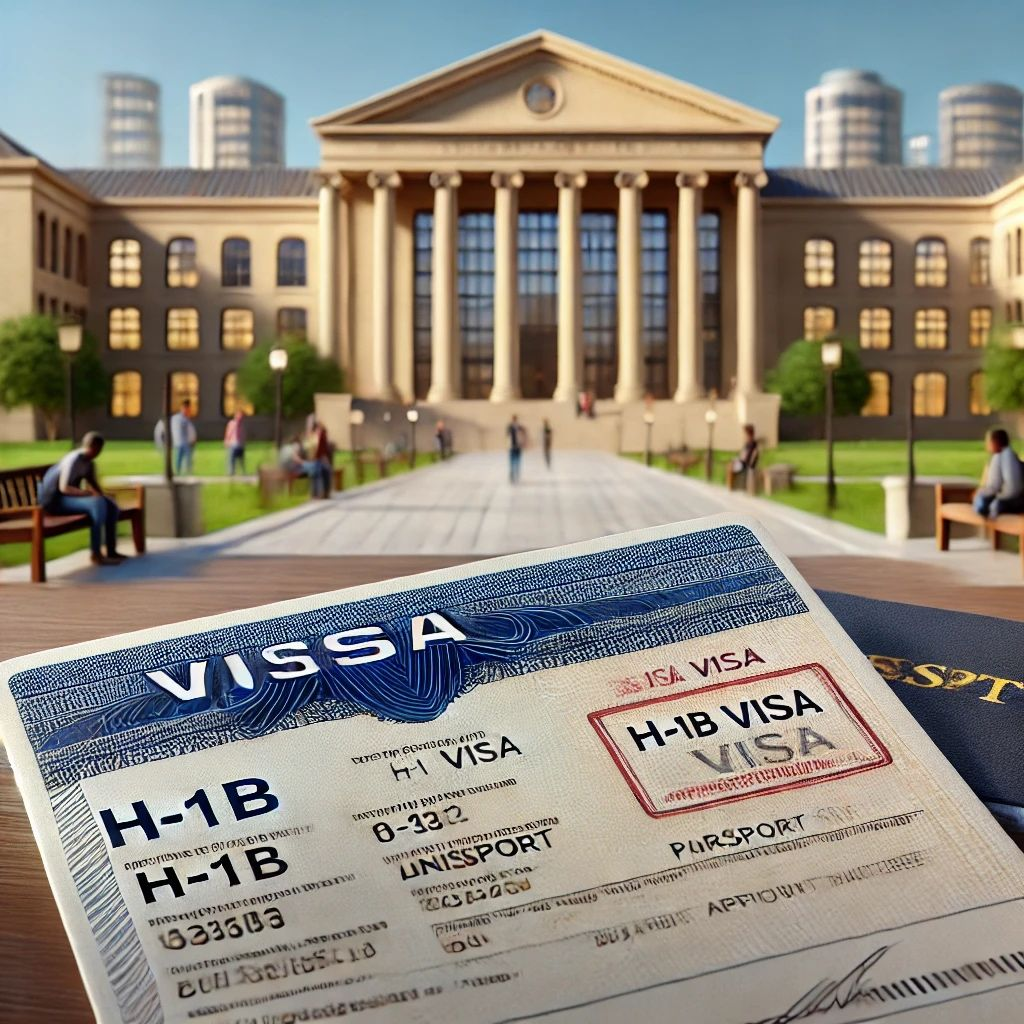
Just months ago, there was widespread concern surrounding the H-1B visa program. Many remember when an executive order was announced that proposed raising H-1B visa costs to $100,000. That announcement caused panic across the immigration community.

What happened?
The order ultimately did not take effect.

This is a perfect example of why reactionary fear can do more harm than the policy itself.

What This Means for Visa Applicants Right Now

If you are:
• Applying for a visa
• Filing a change of status
• Preparing a reinstatement or appeal
• Planning future immigration steps

Do not stop your process based on speculation.

Immigration timelines are already complex and time sensitive. Pausing or delaying an application due to fear of a proposal that has not been enacted can actually put you at a disadvantage.

The Reality of Immigration Policy

Immigration policy in the U.S. is constantly evolving. Executive actions can be:
• Proposed but never signed
• Signed but delayed
• Challenged in court
• Reversed or rendered ineffective

This is why staying informed without panicking is critical.

Final Thought

Uncertainty often creates fear, but fear should never be the driver of your immigration decisions. Policies change. Orders evolve. And history shows us that many alarming announcements never become reality.

If you are eligible to apply, continue forward confidently. Stay informed, seek credible guidance, and avoid letting headlines dictate your future.

Calm strategy will always outperform panic.

    H-1B Application Missing I-20

    There’s a lot of fear, confusion, and misinformation floating around right now especially about what could get your application denied.

    Let’s clear one big misconception:

    If you’re an F-1 student missing one or two I-20s, it will NOT hurt your H-1B application. Many students go into panic mode over this, but missing an I-20 or two will not cause a denial.

    However, like any other government document it’s your responsibility to keep track of all your I-20’s. It’s not your DSO or schools responsibility.